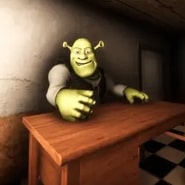
You slide the lid onto another cup, wipe down the counter, and glance up just as the next customer steps forward — except for a half-second, their face doesn’t look right. That flicker is the whole pitch of The Boba Teashop: a slow-paced shop management loop that keeps interrupting itself with something you can’t quite explain. You play as Risa, a woman in her 30s who walked away from a corporate job to open her own boba shop, and for most of the runtime the game plays it straight as a simulation before pulling the floor out from under you.
| Genre |
Psychological horror / simulation |
| Perspective |
First-person |
| Protagonist |
Risa |
| Structure |
7 in-game days |
| Average runtime |
Around 1 hour per playthrough |
Making Drinks in The Boba Teashop
The core loop is deliberately simple. A customer approaches the counter, states an order, and you prepare it using just two components: milk tea and boba pearls. Seal the cup, add a straw, and hand it over. There’s no elaborate recipe tree, no timer bar screaming at you — the game wants the drink-making to feel calm, almost meditative, which is exactly why the wrongness underneath lands so hard when it surfaces. Early in the game, this rhythm is the whole experience. You’ll get comfortable fast, and that’s the point.
Beginners tend to make the same mistake: they treat the first day or two as a tutorial to rush through. Slow down instead. The Boba Teashop hides its best unsettling touches in the margins — a customer’s expression held a frame too long, a sound in the back room that doesn’t repeat. Players who blink through day one because they think the real content starts later usually miss the seeds the story plants early.
Difficulty in the traditional sense barely exists here. What escalates instead is tension. By the time you reach the shop’s later days, Risa is working without rest, and the game leans into that exhaustion visually and audibly. Nothing gets mechanically harder — you’re still just making milk tea and boba — but the atmosphere around that simple task gets heavier with every shift.
Customers and the Corporate Ghost Behind Risa
Most of the people who walk through the door in The Boba Teashop are unnamed, and that’s a deliberate choice rather than a shortcut — players are left to project identities onto regulars based on how they act. Some are polite. Some are openly rude, and the game doesn’t punish you for how you react internally, only for how you perform your job. This is where the “cozy horror” label the game has picked up in player discussions actually earns itself: the horror sits inside a customer-service simulation, not next to it.
- Players who gravitate toward narrative-driven horror will focus on reading every environmental detail between orders
- Players chasing all five achievements will replay specifically to catch story branches they missed the first time
- Players who came in expecting a straightforward tycoon-style management game tend to be the most rattled by the tonal shift
One detail that’s become a minor obsession in the community is a black cat some players report glimpsing on the fridge during day 4 — visible for what feels like a single frame before it’s gone. Whether it’s a scripted event, a random flourish, or something players are pattern-matching after the fact is genuinely debated, and the developer hasn’t clarified it outright, which only feeds the discussion further.
What The Boba Teashop’s VHS Filter Actually Does
The game renders everything through a grainy VHS-style filter, and it’s not just an aesthetic flex. That texture does real work masking whether something you glimpsed was actually there or just an artifact of the visual noise, which is precisely why so many players second-guess their own eyes. It’s a cheap trick on paper and an effective one in practice.
The ending — which takes place after all seven days have passed — is the most talked-about part of The Boba Teashop, and deliberately so. It reframes Risa’s dedication to her shop in a way that most players don’t see coming, and it’s dark enough that some reviewers have called it tonally jarring against the cozy simulation that preceded it. That’s a fair criticism to sit with rather than wave away: the tonal whiplash works for plenty of players and genuinely doesn’t land for others.
If you’re aiming for full completion, know going in that it typically takes two separate playthroughs to unlock all five achievements, since some are tied to choices or details that only reveal themselves once you already know the ending. A single run gets you the story; a second run gets you the game.
Is The Boba Teashop scary the whole way through?
No — the horror is intermittent by design. Most of a given day is spent on ordinary tea preparation, with unsettling moments arriving as sudden interruptions rather than a constant undertone, which is part of why the jump scares land even for players who know one is coming eventually.
How long does it take to finish The Boba Teashop?
A single playthrough covering all seven days runs roughly an hour, though players who stop to examine environmental details or backtrack through the shop between orders will run a bit longer.
Do choices in The Boba Teashop affect the ending?
Certain interactions and details noticed across the seven days do shape what you see by the final day, which is the main reason the community treats a second playthrough as close to mandatory rather than optional.
What makes The Boba Teashop worth returning to isn’t length — it’s barely an hour long — it’s how deliberately it withholds explanation. Risa’s shop never stops feeling like a place you’d actually want to work, even after day 4 makes you question what’s really sitting on top of that fridge.