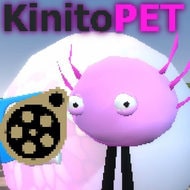
To Eat a God draws players into a surreal, meditative Garden where every interaction carries hidden significance. You take control of a small, puppet-like entity navigating a space ruled by seven Symbols, each embodying abstract ideas that subtly shape the environment and narrative. Rather than following a traditional path, the game encourages reflection, careful observation, and experimentation, letting players uncover the Garden’s secrets at their own pace.
The Seven Symbols and Their Subtle Influence
Each Symbol represents a distinct philosophical or emotional concept that influences how the Garden responds to your presence. Interactions are nuanced: dialogue choices, gestures, and the order in which you explore the world can shift outcomes in ways that may not be immediately apparent. Repeated encounters with the same Symbol often reveal new behaviors and insights, rewarding players who pay attention to detail and experiment with multiple approaches.
• Seven uniquely characterized Symbols, each shaping story and environment
• Interactive dialogue that impacts relationships and narrative paths
• Hidden scenes and storylines discoverable through exploration
• Multiple endings determined by accumulated choices
• Focus on symbolism and interpretation over explicit exposition
• Revisiting areas and characters reveals deeper narrative layers
Gameplay Centered on Choices and Observation
To Eat a God relies on thoughtful decision-making rather than puzzles or action. Players progress by engaging with dialogue, noticing subtle environmental cues, and exploring areas multiple times to discover alternative interactions. Every choice, no matter how small, can influence future events, making careful observation and experimentation essential for fully uncovering the Garden’s story.
• Explore the Garden carefully and observe character behavior
• Engage with Symbols through varied dialogue and actions
• Return to previously visited locations to uncover hidden events
• Experiment with multiple approaches to unlock alternative endings
• Consider how each decision might influence later interactions
• Recognize recurring visual and narrative patterns for deeper understanding
Atmosphere, Reflection, and Interpretation
The game creates a contemplative, slightly unsettling mood through visual design, pacing, and symbolism. To Eat a God invites players to interpret events and relationships personally, exploring themes such as curiosity, obedience, and transformation. Each playthrough can reveal new perspectives, encouraging reflection and repeated engagement. Rather than presenting clear answers, the Garden challenges players to draw their own conclusions about their role and the meaning behind the Symbols’ behavior.
By taking the time to explore, experiment, and observe, players experience a layered, immersive story that rewards curiosity and careful attention. To Eat a God transforms narrative exploration into a personal journey, where subtle decisions and discoveries make each session unique and memorable, offering insights into both the Garden and the player’s own approach to choice and consequence.